
Is telehealth psychiatry actually as effective as sitting in a psychiatrist’s office? The short answer is yes—but with a few important considerations. For many people, telehealth psychiatry is a convenient and highly effective way to receive specialist mental health care. However, because mental health is deeply personal, whether remote care is suitable depends on your individual symptoms, clinical needs, and circumstances.
Understanding when telehealth psychiatry is most appropriate can help you decide whether it is the right option for your mental healthcare.
What is telehealth psychiatry?
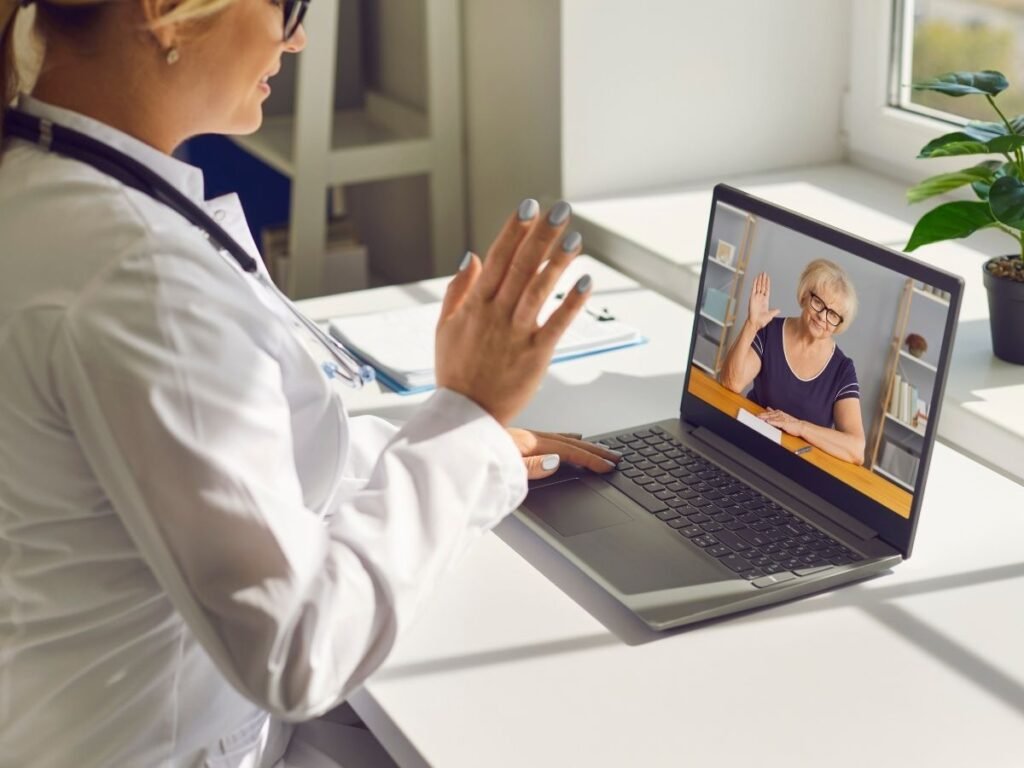
Telehealth psychiatry is the delivery of psychiatric assessments, diagnosis, treatment, and follow-up consultations through secure video or telephone technology.
Rather than attending a clinic in person, patients meet with their psychiatrist remotely using an approved digital platform. The consultation follows much the same structure as an in-person appointment, allowing patients to discuss symptoms, treatment options, medications, and ongoing care from a location that is convenient for them.
Since the COVID-19 pandemic, telehealth psychiatry has become an increasingly accessible part of Australia’s healthcare system. Today, it continues to improve access to specialist mental health services for people living in metropolitan, regional, and rural communities.
When does telehealth psychiatry work best?
One of the most common questions people ask is whether telehealth provides the same quality of care as an in-person appointment.
For many people, the answer is yes.
Telehealth psychiatry is particularly effective when communication is the primary focus of the consultation. Since psychiatric assessments rely heavily on conversation, observation, and clinical questioning, many appointments can be completed successfully without requiring a physical examination.
Telehealth often works well for:
- Anxiety disorders
- Depression
- General mental health reviews
- Medication management
- Follow-up consultations
- Stress-related conditions
- Sleep concerns
- Some ADHD assessments and ongoing reviews
Many patients find they feel more comfortable speaking from their own home, which can encourage open and honest conversations.
Who benefits most from seeing a telehealth psychiatrist?
A telehealth psychiatrist can be especially beneficial for individuals who experience practical barriers to attending appointments.
This may include people who:
- Live in regional or rural Australia
- Have limited local access to psychiatrists
- Have mobility challenges
- Find travelling stressful or time-consuming
- Have demanding work or family commitments
- Experience anxiety about attending medical facilities
- Are temporarily unwell (such as with the flu) but wish to keep their scheduled appointment
- Are unable to arrange a family member, support worker, or carer to accompany them to an in-person appointment
For these individuals, telehealth can reduce travel time, improve appointment attendance, and provide faster access to ongoing psychiatric care.
Can a telehealth psychiatrist prescribe medication?
Yes. In many cases, psychiatrists conducting telehealth consultations can prescribe medications where clinically appropriate and in accordance with Australian regulations.
Medication decisions are based on a comprehensive assessment, your medical history, current symptoms, previous treatments, and any relevant reports from your GP or other healthcare providers.
Regular follow-up appointments are often scheduled to monitor progress, assess side effects, and adjust treatment if required.
Is telehealth psychiatry as effective as face-to-face care?
Research has shown that telehealth psychiatry can produce outcomes comparable to in-person care for many common mental health conditions.
Patients often report high levels of satisfaction because appointments are easier to attend and fit more comfortably into everyday life.
Clinical effectiveness depends less on where the consultation takes place and more on factors such as:
- Accurate assessment
- A strong therapeutic relationship
- Appropriate treatment planning
- Ongoing follow-up
- Patient engagement
When these elements are present, telehealth can provide excellent continuity of care.

What challenges can affect telehealth psychiatry?
Like any healthcare service, telehealth has some limitations.
Technology issues such as poor internet connections, audio delays, or video interruptions can occasionally affect communication. In some situations, particularly where a person requires immediate intervention, close clinical observation, or a physical assessment, an in-person consultation may be more appropriate.
Your psychiatrist will always recommend the consultation format that best supports your clinical needs.
How can you prepare for a telehealth psychiatrist appointment?
A little preparation can help ensure your appointment runs smoothly.
Before your consultation:
- Test your internet connection.
- Choose a quiet and private location.
- Ensure your device is fully charged.
- Have a list of your current medications available.
- Write down any symptoms or questions you wish to discuss.
- Keep your Medicare details and referral information nearby if required.
Preparing in advance allows more time to focus on your treatment rather than technical issues.
At Orudra Mindspace, accessing your telehealth appointment is simple. You can securely join your consultation directly through our website using your computer, tablet, or smartphone—without needing to download any additional apps or software. This makes it easy to attend your appointment wherever you are.
Finding the right support for your mental health
Telehealth psychiatry can be highly effective for assessments, medication reviews, and ongoing treatment when used in the right circumstances. At the same time, it is not intended to replace every face-to-face consultation, particularly when a person’s clinical needs require closer observation or immediate intervention.
The most appropriate approach depends on your individual circumstances rather than the consultation format itself.
If you’re unsure whether telehealth psychiatry is right for you, Orudra Mindspace can help you understand your options. Our experienced psychiatrists provide personalised assessments and evidence-based treatment, recommending the consultation approach that best supports your clinical needs. At Orudra Mindspace, convenient access to care is always paired with compassionate, professional support.
Frequently Asked Questions
1. Can I have my first appointment with a telehealth psychiatrist?
Yes, many psychiatrists offer initial consultations via telehealth where clinically appropriate. However, depending on your symptoms or medical history, your psychiatrist may recommend an in-person appointment if a more comprehensive assessment is required.
2. Is telehealth psychiatry covered by Medicare?
In many cases, Medicare rebates may be available for eligible telehealth psychiatry consultations when the relevant referral and eligibility requirements are met. Your psychiatrist or clinic can advise you about your individual circumstances.
3. What technology do I need for a telehealth psychiatry appointment?
Most appointments only require a stable internet connection, a smartphone, tablet, or computer with a camera and microphone, and access to the secure video platform provided by your clinic.
4. Is my telehealth psychiatrist consultation private?
Yes. Reputable mental health clinics use secure telehealth platforms designed to protect patient privacy. You can also help maintain confidentiality by attending your appointment from a quiet, private location.
5. Can I switch between telehealth and face-to-face appointments?
Yes. Many patients use a combination of telehealth and in-person consultations depending on their treatment needs, personal preferences, and their psychiatrist’s clinical recommendations.
At Orudra Mindspace, many patients choose a combination of telehealth and face-to-face appointments to ensure they receive the most appropriate care throughout their treatment journey.